


Have you been furniture shopping lately? I recently came across an $8,000 sofa at an outlet store near my apartment. It sat in a fairly unremarkable showroom next to a dented end table marked down to about $150. The price tag may be eye-popping, but it’s not an anomaly. Bureau of Labor Statistics data shows prices for living room, kitchen, and dining room furniture climbed 25% between February 2020 and September 2025.
That costly couch represents the state of our economy. Stagnant wages and inflation have forced formerly West Elm Americans to scavenge the wastelands of Wayfair. They’re paying the same prices as a few years ago for cheaper materials and shoddier craftsmanship. You can extend that metaphor to food, clothes, cars, electronics, and so much more.
The reasons for this are myriad. The U.S. has spent the last quarter-century bogged down in Middle East forever wars. At the same time, tax cuts, once promoted as a way to “starve the beast” of big government, became dogma within the Republican Party. Conservative lawmakers kept slashing rates even as deficits soared. Democrats, meanwhile, fought harder to protect welfare and entitlement programs than against the tax cuts themselves. Neither side has actually put forth a serious proposal to cut spending. Even the more ambitious plans only slow the rate of increase, not an actual drop in the raw dollar amount spent by the federal government.
For years, America could afford this profligacy. U.S. energy production, the tech boom, free trade, the dollar’s reserve-currency status, deep capital markets, and the inertia of accumulated wealth blunted the worst consequences of our fiscal stupidity. Put simply, we were born rich enough to make a lot of bad decisions without immediately going broke.
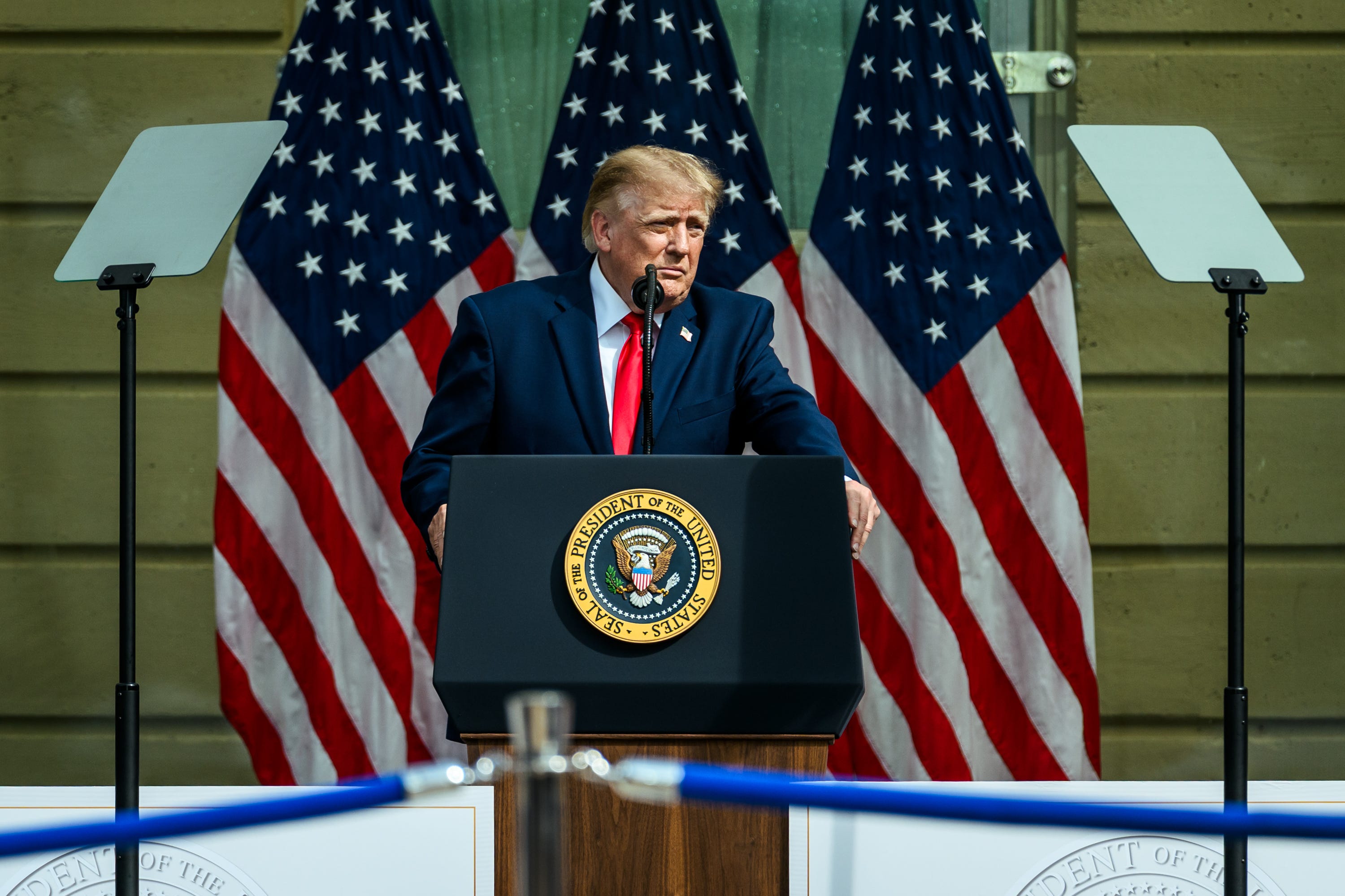
Now we have a president reckless and incompetent enough to test just how much abuse the American economic order can withstand. A capricious and constitutionally questionable tariff regime is pummeling what remains of American manufacturing. Trump has shattered decades of painstakingly negotiated free trade pacts. He even ripped up his own USMCA agreement and launched a trade war with Canada. His actions make it clear that America is no longer a credible business partner, and it could take decades to undo the reputational damage.
Not to mention the latest foreign adventure in Iran burning through billions of dollars each month and imperiling global oil supplies. Or immigration crackdowns dealing a blow to the labor force. Or unprecedented political interference in the Federal Reserve as the BRICS nations look for alternatives to the dollar. Or attacks on higher education, which attracts the world’s best scientists and entrepreneurs. Or God knows what else.
Most terrifyingly, Trump and his family have normalized corruption and cronyism. There has perhaps not been a political family so shameless about monetizing its proximity to power since the Marcoses of the Philippines. The president’s net worth has reportedly grown by $3 billion since he took office again less than two years ago. It’s difficult to see Amazon’s bankrolling of the Melania documentary that it knew would lose money as anything other than a bribe. Jared Kushner is yet again representing the U.S. in the Mideast while Saudi Arabia, Qatar and the UAE funnel billions into his private-equity operation. Now he’s engaged in a shady land deal in Albania. Ivanka Trump became ensnared in a scandal of her own involving Chinese trademarks while working for the White House.
If the country ratifies this kakistocracy and graft by maintaining the Republican majority in Congress, our dear leader promises to send $5,000 checks. America can survive the excesses of a single president; it cannot survive if those excesses become ingrained in its political culture.
Empires rarely collapse because of one catastrophic decision. They erode when a succession of bad decisions consumes the advantages accumulated by previous generations. Eventually, the inheritance runs out.
Then one day, the people of the once-great American empire look around and realize they can’t even afford a decent couch anymore.
.